
Why cross-training is the superpower your body needs
Sticking to one workout is like eating only toast for every meal. Sure, you might love toast (who doesn’t?), but eventually, your muscles and your taste buds start questioning your life choices.
That’s where cross-training swoops in, superhero-style, to save you from fitness monotony and questionable breakfast decisions. In cross-training, you mix things up. Run one day, lift another, throw in some yoga or cycling and, for good measure, maybe some interpretive dance in your living room.
Not convinced? Scientific powers-that-be at the University of Miami Sports Medicine Institute tell us that cross-training reduces the risk of injury because variety forces different muscle groups to work and lets tired muscles recover. It can also prepare your body for a variety of activities, including a spontaneous game of tag with the kids, chasing your runaway grocery cart or an impromptu office chair race. So, if you’re tired of explaining your limp to your co-workers, you might want to toss swimming or biking into the mix.
Looking for more reasons? Hearts Beat Back says that switching it up, battles workout boredom, making it easier to stick to your routine instead of ghosting your gym shoes for days on end. You’ll also get well-rounded fitness, better balance, strength and heart health.
Try cross-training, and you’ll be a fitness superhero in no time.
Ready to get healthy?
Sign up for our digital newsletters to receive health tips, recipes, success stories for inspiration and information about new doctors to help you on your journey to better health.
Genesis HealthCare System’s Health and Wellness content conveniently provides accurate and helpful information. Your health history and current health may impact suggestions provided through our Health and Wellness content. Although we hope this information is helpful, it is not a substitute for your doctor's medical advice. Before making any significant changes, please consult your doctor.
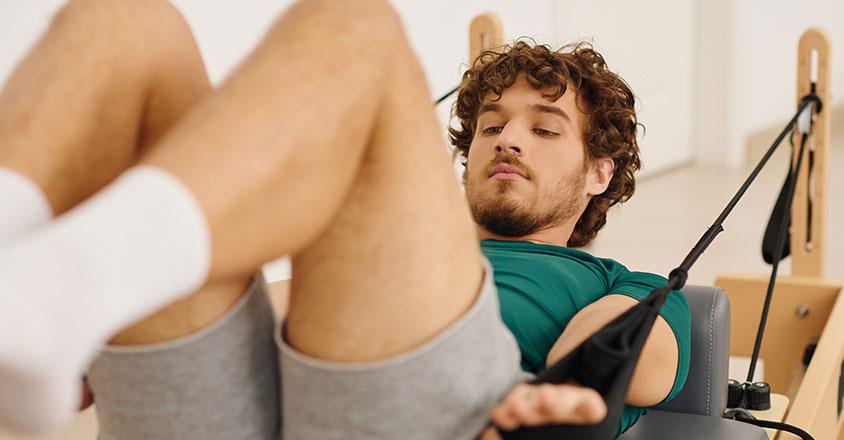
In cross-training, you mix things up. Run one day, lift another, throw in some yoga or cycling and, for good measure, maybe some interpretive dance in your living room.
Exclude From Search
No
Baby Basics: Navigating your little one’s first months
Bringing your baby home is a moment filled with excitement, questions and some worry. You want to do everything right for your little one, and every day brings something new. The good news is, you’re not alone on this journey. With trusted guidance, you can confidently support your baby’s growth and development.
From the very beginning, your baby is learning and changing. According to the American Academy of Pediatrics, in the first month, you might notice your baby’s appearance shift. Their skin color evens out, and they begin to gain weight. It’s normal for newborns to lose a little weight right after birth, but they usually regain it within a couple of weeks. Tracking your baby’s growth and celebrating small milestones, like their first smile or when they start to lift their head, helps you see how much they’re learning every day.
Your baby depends on you for comfort and safety. According to the U.S. Centers for Disease Control and Prevention (CDC), holding, cuddling and talking to your baby help them feel secure and build trust. When your baby cries, responding with gentle words or a soothing touch reassures them that you’re there. Creating a safe sleep space, by placing your baby on their back in a crib with a firm mattress and no loose blankets or toys, reduces the risk of sudden infant death syndrome (SIDS).
Feeding is a big part of your baby’s routine. The CDC notes that whether you choose to breastfeed or use formula, your baby will need to eat every few hours. Watch for signs of hunger, like sucking on their hands or turning their head toward you. Frequent diaper changes are normal and a good sign that your baby is getting enough to eat.
Even in these early days, you can help your baby’s brain grow. Simple activities like talking, singing and reading to your baby make a difference. Giving your baby tummy time while they’re awake and you’re watching helps them build strong muscles and prepares them for future milestones like rolling over and crawling.
Since caring for a newborn can be tiring, the CDC encourages new parents to ask for help and to rest when their baby sleeps. Taking care of yourself is an important part of caring for your baby.
Free Baby Basics Class
At Genesis HealthCare System, we offer a one-time, two-hour, free class for expecting parents and their support systems. This class covers infant feeding, bathing and diapering, car seats, safety, soothing and calming babies and what to expect during the first year. Registration is available at genesishcs.org/classes.
Ready to get healthy?
Sign up for our digital newsletters to receive health tips, recipes, success stories for inspiration and information about new doctors to help you on your journey to better health.
Genesis HealthCare System’s Health and Wellness content conveniently provides accurate and helpful information. Your health history and current health may impact suggestions provided through our Health and Wellness content. Although we hope this information is helpful, it is not a substitute for your doctor's medical advice. Before making any significant changes, please consult your doctor.

With trusted guidance, you can confidently support your baby’s growth and development.
Exclude From Search
No
You should enjoy your vacation
Stay healthy and relax every moment
You’ve worked hard, and now it’s time for a well-deserved vacation. You want to make the most of every moment, feel your best, explore new places and make memories. But how can you stay healthy while you travel?
Here are some simple tips to help you be the hero of your own adventure:
Plan for healthy choices
- Before you leave, pack healthy snacks like nuts, fruit or whole-grain crackers. According to the American Heart Association, packing ahead of time can help you avoid less healthy options when you’re hungry on the go. Research restaurants or grocery stores at your destination so you know where to find nutritious meals.
Stay hydrated
- Traveling can make it easy to forget to drink water. Carry a refillable water bottle and sip throughout the day. Staying hydrated helps you feel energized and keeps your body working its best.
Move your body
- You don’t have to skip exercise on vacation. Take a walk to explore a new city, swim at the hotel pool or try a local fitness class. Even small amounts of movement can boost your mood and energy. On long flights, stretch your legs and walk the aisle every hour or two to help your circulation.
Enjoy local foods, in moderation
- Trying new foods is part of the fun of vacation. Enjoy local treats, but balance them with fruits, vegetables and lean proteins. Listen to your body’s hunger cues and stop eating when you’re full.
Protect your health
- Don’t forget sunscreen, hand sanitizer and medications. Wash your hands often, especially before eating, and make sure the food is cooked properly when trying new dishes.
Get enough rest
- Vacations can be busy, but don’t forget to rest. Good sleep helps your body recover and keeps your immune system strong.
Be prepared for travel
- If you’re flying, make sure you are prepared. Northwestern Medicine recommends bringing a travel pillow, wearing comfortable clothes and keeping important items like medications and snacks in your carry-on.
You’re in charge of your journey
With a little planning and these healthy travel tips, you can stay well and make the most of your vacation.
Ready to get healthy?
Sign up for our digital newsletters to receive health tips, recipes, success stories for inspiration and information about new doctors to help you on your journey to better health.
Genesis HealthCare System’s Health and Wellness content conveniently provides accurate and helpful information. Your health history and current health may impact suggestions provided through our Health and Wellness content. Although we hope this information is helpful, it is not a substitute for your doctor's medical advice. Before making any significant changes, please consult your doctor.

Here are some simple tips to help you be the hero of your own adventure.
Exclude From Search
No
The importance of having a Primary Care Physician
Taking care of your health is important at every age, it’s crucial for young women to take charge early and build healthy habits for the future. Having a Primary Care Physician (PCP) and seeing them every year can make a big difference in your life. You are giving yourself the best chance to address health issues while they’re still easily treatable.
Deanna Osborn, D.O., Board-certified family medicine, has joined Genesis Primary Care and shares why young women should visit their PCP every year.
Q: What can young women expect during a yearly visit with a PCP?
A: “We’ll review your family’s medical history, do a physical exam and catch up on your preventative care. Preventive care may include a Pap test or vaccines. We’ll also go over general health guidance to make sure you are healthy and on the right track.”
Q: Why do you think some young women hesitate to see a PCP regularly?
A: “You may be healthy, not notice symptoms that need to be addressed or be busy. It's important to establish a relationship with your PCP, so when you do need them, you don’t have to scramble to find one. PCPs can also connect you to other specialists, such as an OB/GYN, if you are considering pregnancy or are due for screening.”
Q: How can having a PCP help young women navigate their health and wellness?
A: “A PCP can help you live a healthy lifestyle. They may point out something that you didn’t know. For example, if you have a noticeable weight change in the past year, then you may need to talk about how to maintain a healthy weight. If you continue to gain or lose weight each year, you could become overweight or underweight, and then this can lead to bigger health problems. A PCP can help with early prevention and be there for questions.”
Dr. Osborn empowers patients to achieve and maintain good health. “My role at Genesis is to support and encourage each patient as they pursue better health,” said Dr. Osborn. She is accepting new patients at 1210 Ashland Ave., Zanesville, Ohio. You can call 740-454-0370 to schedule an appointment.
Ready to get healthy?
Sign up for our digital newsletters to receive health tips, recipes, success stories for inspiration and information about new doctors to help you on your journey to better health.
Genesis HealthCare System’s Health and Wellness content conveniently provides accurate and helpful information. Your health history and current health may impact suggestions provided through our Health and Wellness content. Although we hope this information is helpful, it is not a substitute for your doctor's medical advice. Before making any significant changes, please consult your doctor.

Deanna Osborn, D.O., Board-certified family medicine, has joined Genesis Primary Care and shares why young women should visit their PCP every year.
Exclude From Search
No
How often should you clean your shower?
If you think cleaning your shower once a year is acceptable, I have bad news. By that schedule, your shower is less of a bathroom feature and more of a science experiment. Showers are supposed to keep you clean, not become their own petri dish.
How often should you clean your shower? The short answer is at least once a week. According to the U.S. Environmental Protection Agency, mold thrives anywhere moisture builds up, meaning your shower becomes a spa retreat for fungi if you skip scrubbing. To avoid health risks, they recommend drying wet surfaces quickly and cleaning mold promptly.
Regular cleaning is not just about looks. The Centers for Disease Control and Prevention notes that mold exposure can irritate the lungs and trigger allergies. Add soap scum and hard water stains, and suddenly you are bathing in dirty water.
If the idea of weekly cleaning sounds daunting, consider this, a quick spray and scrub now will prevent a weekend project later.
So do yourself a favor. Put “clean the shower” on your weekly to-do list. You will be grateful in the future, and your bathroom will stop becoming a mold sanctuary.
In short, the next time you step out of the shower squeaky clean, remember your shower deserves the same treatment. Otherwise, you are just sharing space with soap scum and its cousin, mildew. Now go clean your shower and make sure it stays clean.
Ready to get healthy?
Sign up for our digital newsletters to receive health tips, recipes, success stories for inspiration and information about new doctors to help you on your journey to better health.
Genesis HealthCare System’s Health and Wellness content conveniently provides accurate and helpful information. Your health history and current health may impact suggestions provided through our Health and Wellness content. Although we hope this information is helpful, it is not a substitute for your doctor's medical advice. Before making any significant changes, please consult your doctor.
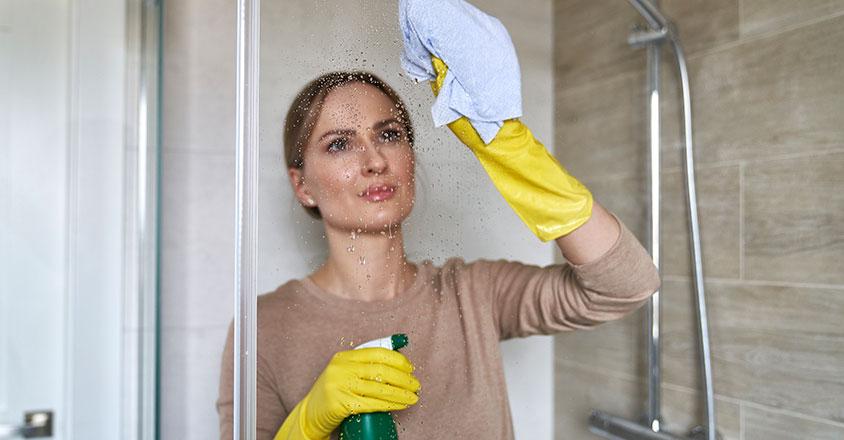
Do yourself a favor and put “clean the shower” on your weekly to-do list.
Exclude From Search
No
Is stretching that important?
Yes, stretching is important. Unless you want aches, pains and cramps. And stretching is for everyone. It doesn’t matter if you’re an athlete or working in an office.
Stretching is vital to maintain flexibility in joints and keep your muscles strong. If you don’t stretch, Harvard Health explains that you run the risk of joint pain, muscle damage and strains. Ugh.
Where should you start your stretching journey? Well, yoga is one place. Yoga helps stretch muscles while relaxing your mind. You know what’s even better? You can do it from the comfort of your own home.
Johns Hopkins Medicine explains how slow movements from yoga and deep breathing help increase blood flow and decrease arthritis symptoms. Therefore, blood can reach muscles and joints, causing them to become stronger.
Additionally, stretching is good for heart health. UCLA Health explains that while stretching gets blood flowing into the muscles and joints, it also goes into the arteries. This helps prevent high blood pressure, which can help prevent heart disease and strokes.
It’s okay if you don’t want to do yoga every day to get a stretch in. If so, here is a simple stretch you can do while watching TV:
Standing hamstring stretch
Have your feet shoulder-width apart with your knees slightly bent. Put one foot slightly in front of the other. Slowly bend down with your hands, trying to touch your toes. Go as far as you can and hold for 15 to 30 seconds. Once you’re done with one leg, switch and put the other leg in front.
Now, give it a try and see how you feel afterward.
Ready to get healthy?
Sign up for our digital newsletters to receive health tips, recipes, success stories for inspiration and information about new doctors to help you on your journey to better health.
Genesis HealthCare System’s Health and Wellness content conveniently provides accurate and helpful information. Your health history and current health may impact suggestions provided through our Health and Wellness content. Although we hope this information is helpful, it is not a substitute for your doctor's medical advice. Before making any significant changes, please consult your doctor.

Stretching is vital to maintain flexibility in joints and keep your muscles strong.
Exclude From Search
No
Nightly rest check. Back or side?
Sleep is a big deal.
You spend about a third of your life asleep. While you’re off in dreamland, your body is quietly fixing, tuning and recharging itself. Your sleep position can either help with the repairs or throw a tiny wrench into the works.
Knowing the perks and pitfalls of different positions helps you find the one that keeps you comfortable, supported and actually ready to face the morning.
The way you sleep can change how you feel when you wake up. Two of the most common positions are back sleeping and side sleeping. Each one does different things for your body.
Back sleeping
Experts at Harvard Health say sleeping on your back helps your spine stay in a healthy position, which can cut down on morning aches.
With your spine in a straight line, your muscles get a chance to relax. The catch? Back sleeping can make snoring louder. That may be fine for you, but it's a different story for anyone within earshot. It can also encourage acid reflux, which is never a fun midnight surprise.
Side sleeping
Side sleeping is common because, frankly, it just feels cozy. The Sleep Foundation notes that it also helps keep your airway open, which can turn the volume down on snoring.
It’s also great for reducing heartburn since your stomach sits lower than your throat. Breathing tends to feel easier, too, which can lower the risk of sleep apnea.
A few simple tricks can make either position more comfortable:
• Choose a pillow that keeps your head level with your shoulders.
• Keep your spine as straight as you comfortably can.
• Add a pillow between your knees if you’re a side sleeper.
• Try a small pillow under your knees if you sleep on your back.
So, which sleep position wins? The truth is that your body decides. The best choice is the position that helps you wake up rested and ready for the day.
If you feel stiff or groggy, try switching things up and see what feels better. Listen to your body, follow its hints and find the position that makes you happiest to greet the morning. It helps you think clearly, stay healthy and maybe be just a little less grumpy at breakfast.
Ready to get healthy?
Sign up for our digital newsletters to receive health tips, recipes, success stories for inspiration and information about new doctors to help you on your journey to better health.
Genesis HealthCare System’s Health and Wellness content conveniently provides accurate and helpful information. Your health history and current health may impact suggestions provided through our Health and Wellness content. Although we hope this information is helpful, it is not a substitute for your doctor's medical advice. Before making any significant changes, please consult your doctor.

The best choice is the position that helps you wake up rested and ready for the day.
Exclude From Search
No
What causes motion sickness?
Ever felt queasy on a car ride, even if you’re sitting still in the back seat? Maybe airplanes, boats or even virtual reality make your stomach do flips. You’re not alone.
Motion sickness is basically your brain throwing a tiny tantrum.
At the heart of motion sickness is a sensory conflict. Your inner ear, the body’s built-in balance guru, senses motion as cars zoom, boats rock or planes soar. But if your eyes are glued to a book, phone, or the scenery-less back seat, they tell the brain that nothing is moving.
According to Stanford Medicine, this mismatch confuses the brain, leading to symptoms like nausea, dizziness, fatigue and cold sweats.
Motion sickness is more common in children, particularly those between the ages of 2 and 12, according to Mayo Clinic.
While kids are more affected, adults aren’t off the hook. Women and those with conditions like migraines or inner ear disorders may also feel the rollercoaster effect more than most, according to the Centers for Disease Control and Prevention.
Tips to keep your stomach happy:
- Face forward. Sit in the front seat and look ahead. Your brain likes a clear view.
- Stay cool. Open a window for fresh air to soothe your nerves and stomach.
- Avoid screens. That phone or tablet might be a plot twist for your inner ear.
- Take breaks. Stretching your legs gives your brain a chance to catch up.
- Being the driver. Surprisingly, controlling the wheel can also help your brain feel in charge.
Understanding the science behind motion sickness can help manage it, and maybe even save your snack from an early exit. Next time you’re on a winding road, remember that your brain is just trying to make sense of the ride.
Ready to get healthy?
Sign up for our digital newsletters to receive health tips, recipes, success stories for inspiration and information about new doctors to help you on your journey to better health.
Genesis HealthCare System’s Health and Wellness content conveniently provides accurate and helpful information. Your health history and current health may impact suggestions provided through our Health and Wellness content. Although we hope this information is helpful, it is not a substitute for your doctor's medical advice. Before making any significant changes, please consult your doctor.

Next time you’re on a winding road, remember that your brain is just trying to make sense of the ride.
Exclude From Search
No