

Nothing to be embarrassed about
Symptoms like bleeding, pain or changes in bowel habits can be difficult to talk about. Many people put off talking to a doctor about them.
But while these kinds of concerns may feel uncomfortable, they can be signs of conditions that should be checked.
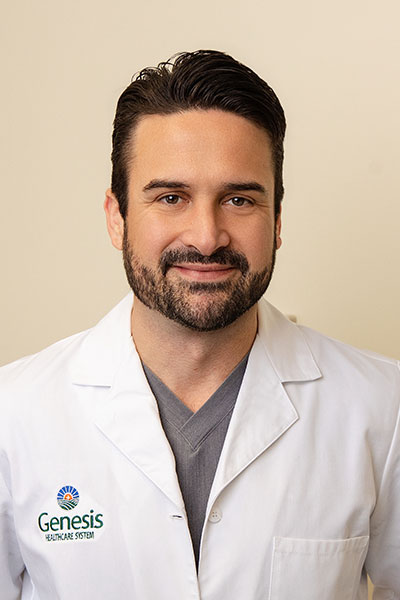
We spoke with Board-certified General Surgeon and Director of the Genesis Center of Surgical Excellence Adam Rothermel, M.D., about the symptoms people shouldn’t ignore, why early treatment matters and how starting a conversation can help prevent more serious problems.
Here is what you should know
1. What symptoms related to digestive and colorectal health should people never ignore?
Bleeding should never be ignored. Additionally, ongoing abdominal or anorectal pain, changes in bowel habits, unexplained weight loss or new lumps or swelling around the anus should also be reasons to get evaluated. While these symptoms may be caused by common conditions, they can also be signs of a more serious problem that needs medical attention.
2. One concern many people have is seeing blood when they use the restroom. What could that mean, and why is it important to get it checked?
Blood with a bowel movement can have several causes, including hemorrhoids, anal fissures, inflammation, diverticular disease or colorectal cancer. Even if the bleeding seems minor or happens only once, it is important to have it evaluated so the cause can be identified and treated appropriately.
3. What’s the difference between hemorrhoids, fissures and fistulas?
Hemorrhoids are swollen veins in or around the anus that can cause bleeding, itching or discomfort. An anal fissure is a small tear in the lining of the anus that often causes sharp pain during bowel movements and bleeding. An anal fistula is an abnormal tunnel that develops between the inside of the anal canal and the skin, often after an infection, and may cause bothersome drainage or recurrent abscesses.
4. People often assume hemorrhoids are something they must live with. Is that true?
No. While hemorrhoids are common and may improve with dietary changes, increased fiber intake and other conservative treatments, many effective options are available when symptoms persist. No one should feel they have to live with ongoing pain, bleeding or discomfort.
5. Diverticulitis is a condition many people have heard of but may not understand. What is it, and when should someone seek medical attention?
Diverticulitis occurs when small pouches or bubbles in the colon wall, called diverticula, become inflamed or infected. Diverticulosis, or bubbles without inflammation, is incredibly common in the United States. If you are over 50, you probably have them. When the inflammation or infection occurs, symptoms often include abdominal pain, fever, nausea or changes in bowel habits.
Anyone experiencing these symptoms for more than 24 hours, especially severe pain or fever, should contact a healthcare provider or go to the nearest Emergency Department.
6. Colon cancer rates have been increasing in younger adults. What do you want people to know about that trend?
This is a real and concerning trend. Research is showing that environmental and food exposures are strongly contributing to colon and rectal cancer at earlier stages in life. The most important message is not to ignore symptoms such as rectal bleeding, persistent changes in bowel habits, abdominal pain or unexplained weight loss, regardless of age. And please, when you get to 45, get a colonoscopy.
7. How can screening help identify problems before they become more serious?
Screening allows doctors to find precancerous polyps and other abnormalities before they cause symptoms or transition into cancer. By detecting problems early, screening can often prevent cancer from developing or identify it at a stage when treatment is most effective.
8. What would you say to someone who has been experiencing symptoms for months or even years but is still hesitant to talk with a doctor?
You’re not alone. Many people feel embarrassed or worry about what they might hear, but surgeons and gastroenterologists discuss these symptoms every day. Having a conversation and getting an evaluation is the first step toward understanding what’s causing your symptoms and finding relief.
So often, patients tell us they wish they had come in sooner. Delaying care may allow a condition to worsen, potentially leading to more complex treatment and a longer recovery.
If you have been experiencing symptoms, even for a short time, talk with your doctor. Early evaluation can lead to simpler treatment and better outcomes. If you need a provider, call 740-455-7500.
Learn more about how the Genesis Center of Surgical Excellence can help at genesishcs.org/surgical-excellence.
Stay connected to better health
A healthier tomorrow starts with the choices you make today. Whether you're focused on your own well-being or the people you love, our publications bring helpful health tips directly to you.
Genesis HealthCare System’s Health and Wellness content conveniently provides accurate and helpful information. Your health history and current health may impact suggestions provided through our Health and Wellness content. Although we hope this information is helpful, it is not a substitute for your doctor's medical advice. Before making any significant changes, please consult your doctor.