
How to create a calming space at home
Creating a space for you
Life can feel overwhelming at times. Between work, family responsibilities and daily stress, it is important to have a place where you can recharge. Creating a calming space at home gives you a dedicated area to relax, clear your mind and focus on your well-being. The best part is that building a peaceful retreat does not require a large budget or an entire room. With a few thoughtful choices, you can create a space that helps you feel more comfortable, grounded and refreshed each day.
Choose a quiet spot for your personal retreat
Everyone needs a place to relax and feel peaceful. Creating a calming space in your home can help you feel happier and less stressed.
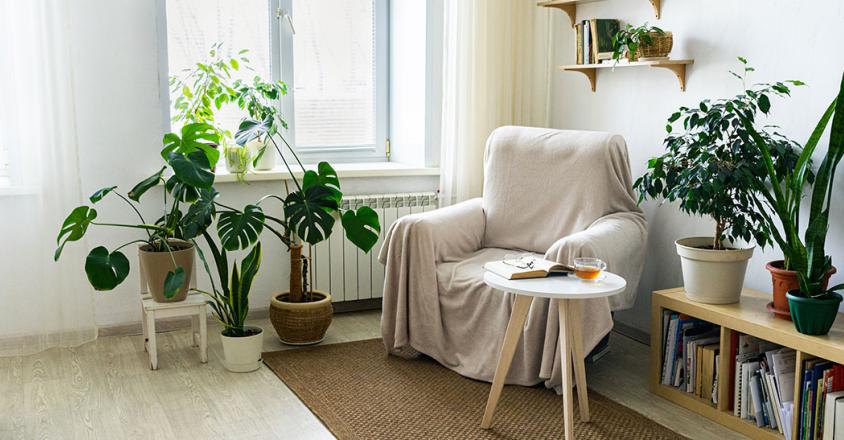
Start by picking a quiet corner or room where you can get away from noise. The University of Minnesota suggests choosing a spot with natural light if possible, as sunlight can help you feel calm and boost your mood. If you do not have much space, even a small chair by a window can become your personal retreat.
Add comfort and meaningful personal touches
Once you have chosen your space, think about what makes you feel comfortable. Soft blankets, pillows or a favorite chair can instantly make the area feel more inviting.
According to Mental Health America, surrounding yourself with meaningful items can support emotional well-being. Family photos, favorite books, artwork or cherished keepsakes can help create a sense of safety and happiness within your space.
Use plants to create a relaxing environment
Adding greenery is a simple way to make your calming space feel fresh and welcoming. Research has shown that spending time around plants can help reduce stress and improve overall well-being.
If you are new to caring for plants, start with low-maintenance options such as succulents, snake plants or pothos. These varieties are easy to care for and can thrive in many indoor environments.
Reduce clutter and choose calming colors
A peaceful space should feel organized and free from unnecessary distractions. Too much clutter can contribute to feelings of stress and make it harder to relax.
Try to keep only the items you need or truly enjoy in your calming space. You can also incorporate soothing colors, such as soft blues, greens or neutral earth tones, which are often associated with relaxation and balance.
Make time for relaxing activities
Creating a calming space is only the first step. The real benefit comes from using it regularly.
Consider spending time in your dedicated area reading, listening to music, journaling, drawing, meditating or simply sitting quietly. Even taking a few slow, deep breaths in your special spot can help you reset after a busy day and improve your sense of well-being.
Create a space that supports your well-being
Everyone deserves a place where they can step away from stress and focus on themselves. By choosing a quiet location, surrounding yourself with comforting items, reducing clutter and making time for relaxing activities, you can create a calming space that supports your mental and emotional health.
Small changes can make a big difference. Whether you have an entire room or just a cozy corner, your calming space can become a daily reminder to slow down, recharge and take care of yourself.
Stay connected to better health
A healthier tomorrow starts with the choices you make today. Whether you're focused on your own well-being or the people you love, our publications bring helpful health tips directly to you.
Genesis HealthCare System’s Health and Wellness content conveniently provides accurate and helpful information. Your health history and current health may impact suggestions provided through our Health and Wellness content. Although we hope this information is helpful, it is not a substitute for your doctor's medical advice. Before making any significant changes, please consult your doctor.