


Stopping the silent killer.
A surgeon’s mission to prevent heart disease.
Surender Neravetla, M.D., FACS, knows the human heart better than most. As a board-certified thoracic surgeon, he’s spent decades performing life-saving heart procedures. However, these days, Dr. Neravetla’s mission is more than repairing hearts. He is also focused on helping people protect their hearts before heart disease begins.
“I’ve seen too many patients on the operating table whose heart problems could have been prevented,” Dr. Neravetla said. “That’s why I’ve shifted my focus to prevention. We can do a lot to stop heart disease before it starts.”
Dr. Neravetla agrees wholeheartedly with the American Heart Association’s finding that up to 80% of heart disease is preventable. The key is understanding the everyday habits that quietly damage our cardiovascular system.
One of the biggest culprits? High blood pressure.
Known as the silent killer, high blood pressure often doesn’t have symptoms but can lead to serious complications such as heart attack, stroke and kidney failure. “High blood pressure is one of the most common health problems in the world,” said Dr. Neravetla. “What’s most frustrating is that it’s largely caused by something we do, which is adding salt to our food.”
Our bodies need a small amount of sodium to function, which is already in the natural foods we eat. The result of too much salt is extra fluid in the bloodstream, which puts pressure on blood vessel walls and forces the heart to work harder. Over time, this constant strain can damage arteries and increase the risk of heart disease.
Dr. Neravetla encourages everyone to take three simple steps for better health. Reduce, substitute or eliminate table salt. Start by reducing how much prepackaged food you eat and how often you dine out. You should also reduce how much salt you sprinkle on your meals. Substitute flavorful herbs and spices instead of relying on salt for taste. When possible, eliminate processed foods, which often contain hidden sodium.
“These small changes can make a huge difference,” Dr. Neravetla said. “Every meal is a chance to protect your heart.” His message is clear. Prevention isn’t complicated.
It’s practical. By being mindful of how much salt we consume, we can take one powerful step toward better heart health.
Dr. Neravetla reminds patients that heart disease doesn’t have to be their story. “With the right choices, you can create a happier story, one that begins with less salt and results in a stronger, healthier heart.”
1,500 mg*
of daily salt consumption is
a standard goal
2,300 mg
should be the most salt
consumed in a day
3,300 mg
of salt on average
are consumed by Americans daily
*Mg stands for milligrams

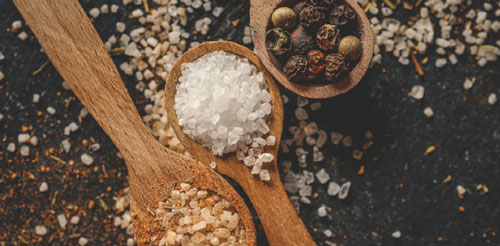
It is hard to be excited about bland food. If you are trying to reduce your salt intake and still enjoy mealtimes, try adding other seasonings. To learn more, take our salt alternatives quiz at genesishcs.org/salt-alternatives.
Protect your heart. Visit genesishcs.org/heart.
Stay connected to better health
A healthier tomorrow starts with the choices you make today. Whether you're focused on your own well-being or the people you love, our publications bring helpful health tips directly to you.
Genesis HealthCare System’s Health and Wellness content conveniently provides accurate and helpful information. Your health history and current health may impact suggestions provided through our Health and Wellness content. Although we hope this information is helpful, it is not a substitute for your doctor's medical advice. Before making any significant changes, please consult your doctor.